

Introduction
Choosing the right soccer ball can make a bigger difference than many players expect. A ball that feels too small, too heavy, or difficult to control can affect everything from passing and shooting to first touch and confidence.
For older youth players, teenagers, adults, clubs, and competitive teams, a size 5 soccer ball is generally the standard choice. It is the ball most commonly associated with adult and professional-level soccer, making it an important part of regular training and match preparation.
Different balls can have different covers, panel constructions, bladder materials, textures, and playing characteristics. Some are designed primarily for training, while others are made for competitive matches or are replicas of famous tournament balls.
So, how do you choose the right one?
This guide explains what makes a size 5 soccer ball different, what to look for before buying, and how to choose a ball that matches your playing needs.
1. What Is a Size 5 Soccer Ball?
A size 5 soccer ball is the standard full-size ball used for older youth and adult soccer.
It is generally intended for players aged around 12 and above, although specific age-group rules can vary by competition and organization.
Compared with smaller youth balls, a size 5 soccer ball provides the dimensions and weight players will encounter in adult-level soccer.
According to the Laws of the Game, a match ball used in official competitions must meet specific requirements for circumference, weight, pressure, and shape.
That makes choosing the correct size more than just a matter of preference.
Why Size Matters
Using the appropriate ball helps players become comfortable with the equipment they are likely to use in competitive matches.
For older players, practicing with a size 5 soccer ball can help develop:
- Ball control
- Passing accuracy
- Shooting technique
- First touch
- Dribbling
- Long-distance passing
- Ball striking
The right ball won’t automatically improve your technique, but it can give you a consistent tool to practice with.
2. Why Size 5 Is the Standard for Older Players
Soccer uses different ball sizes for different age groups.
Smaller balls are often used to make the game easier for younger players to handle. As players grow and develop their skills, they move toward the full-size ball.
A size 5 soccer ball is the standard choice for most adult soccer and many older youth competitions.
The larger size also gives players a more realistic experience of the ball’s movement through the air and across the pitch.
For someone preparing for adult soccer, regularly practicing with a size 5 soccer ball makes sense because it helps build familiarity with the equipment used at that level.
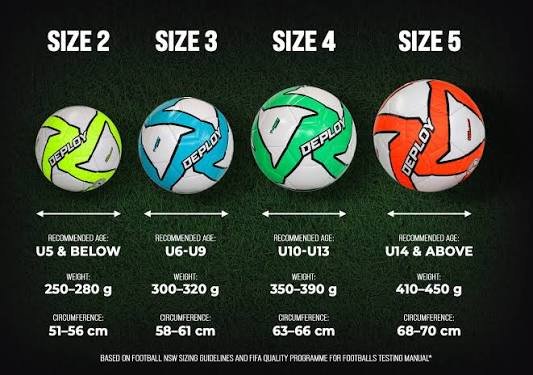
Size 3, Size 4, and Size 5 Compared
| Ball Size | Typical Use | General Age Range | Best For |
|---|---|---|---|
| Size 3 | Mini/youth soccer | Younger children | Basic ball skills |
| Size 4 | Youth soccer | Approximately 8–12 | Developing players |
| Size 5 | Adult/older youth soccer | Approximately 12+ | Training and competitive play |
Age recommendations can vary depending on the league, school, or soccer organization, so always check the rules for your competition.
3. What Makes a Good Size 5 Soccer Ball?
Not all soccer balls are built the same way.
Two balls can both be labeled size 5 soccer ball but feel completely different when you kick them.
Several construction details can affect performance.
Outer Cover
The outer cover is the part of the ball that your foot actually contacts.
Many modern soccer balls use synthetic materials such as polyurethane (PU) or thermoplastic polyurethane (TPU). These materials can provide a good combination of durability and touch.
A textured surface can also affect how the ball feels during passing, shooting, and dribbling.
Panel Construction
The number and shape of panels can vary between different soccer balls.
Panel construction can influence how the ball moves and feels.
Some premium match balls use advanced panel designs intended to provide consistent flight and predictable movement.
Bladder
The bladder holds the air inside the ball.
Butyl and latex are two common bladder materials.
Butyl bladders are generally valued for air retention, while latex can provide a softer feel. The exact construction depends on the ball.
When choosing a size 5 soccer ball, the bladder is worth considering because having to constantly reinflate a ball can quickly become frustrating.
4. Training Ball vs Match Ball
One of the biggest mistakes buyers make is assuming that every size 5 soccer ball is designed for exactly the same purpose.
It isn’t.
Training balls are generally designed to handle frequent use. Coaches, schools, academies, and clubs may prefer durable balls because they can be kicked hundreds or thousands of times during regular sessions.
Match balls, on the other hand, are generally designed with competition performance in mind.
Training Balls
A training size 5 soccer ball can be a practical choice if you’re looking for:
- Regular practice
- Team training
- School sessions
- Academy use
- Recreational games
- Frequent outdoor use
Durability may be more important than having the most premium materials.
Match Balls
A match-quality ball is usually a better option when the focus is competitive play.
Players may notice differences in touch, flight consistency, surface texture, and overall construction.
If you regularly play competitive soccer, having a quality size 5 soccer ball for match preparation can be worthwhile.
5. How to Choose the Best Size 5 Soccer Ball for You
There isn’t one perfect ball for everyone.
The right choice depends on how and where you play.
For Casual Players
If you mainly play with friends or participate in recreational games, you probably don’t need the most expensive match ball.
Look for a size 5 soccer ball with:
- Good durability
- Reliable air retention
- A comfortable touch
- Suitable outdoor construction
For Coaches and Teams
Coaches have different priorities.
If a ball will be used regularly by an entire team, durability becomes extremely important. A ball that performs well but doesn’t handle frequent training may not be the most practical choice.
For team training, consider buying several matching size 5 soccer ball models so players get a consistent feel during sessions.
For Competitive Players
Competitive players may want to focus more on touch, flight consistency, construction, and match-level performance.
A quality size 5 soccer ball can help players become more comfortable with the type of ball they will encounter in serious competition.
6. How Much Should You Pay for a Size 5 Soccer Ball?
Price can vary considerably.
Basic training balls are usually more affordable, while premium match balls and official tournament replicas can cost significantly more.
However, the most expensive size 5 soccer ball isn’t automatically the best choice for every player.
Think about how often you’ll use it.
If you’re buying a ball for daily team training, durability may be more valuable than premium match specifications. If you’re a collector or serious player, a tournament replica or professional-level ball may be more appealing.
The best purchase is the one that matches your actual needs.
7. Popular Size 5 Soccer Ball Options
Different types of balls can appeal to different players.
| # | Type / Model | Best For | Main Advantage |
|---|---|---|---|
| 1 | Adidas Euro 2024 Ball – Size 5 | Match preparation | Premium tournament design |
| 2 | Adidas Brazuca Soccer Ball | Collectors & players | Iconic World Cup design |
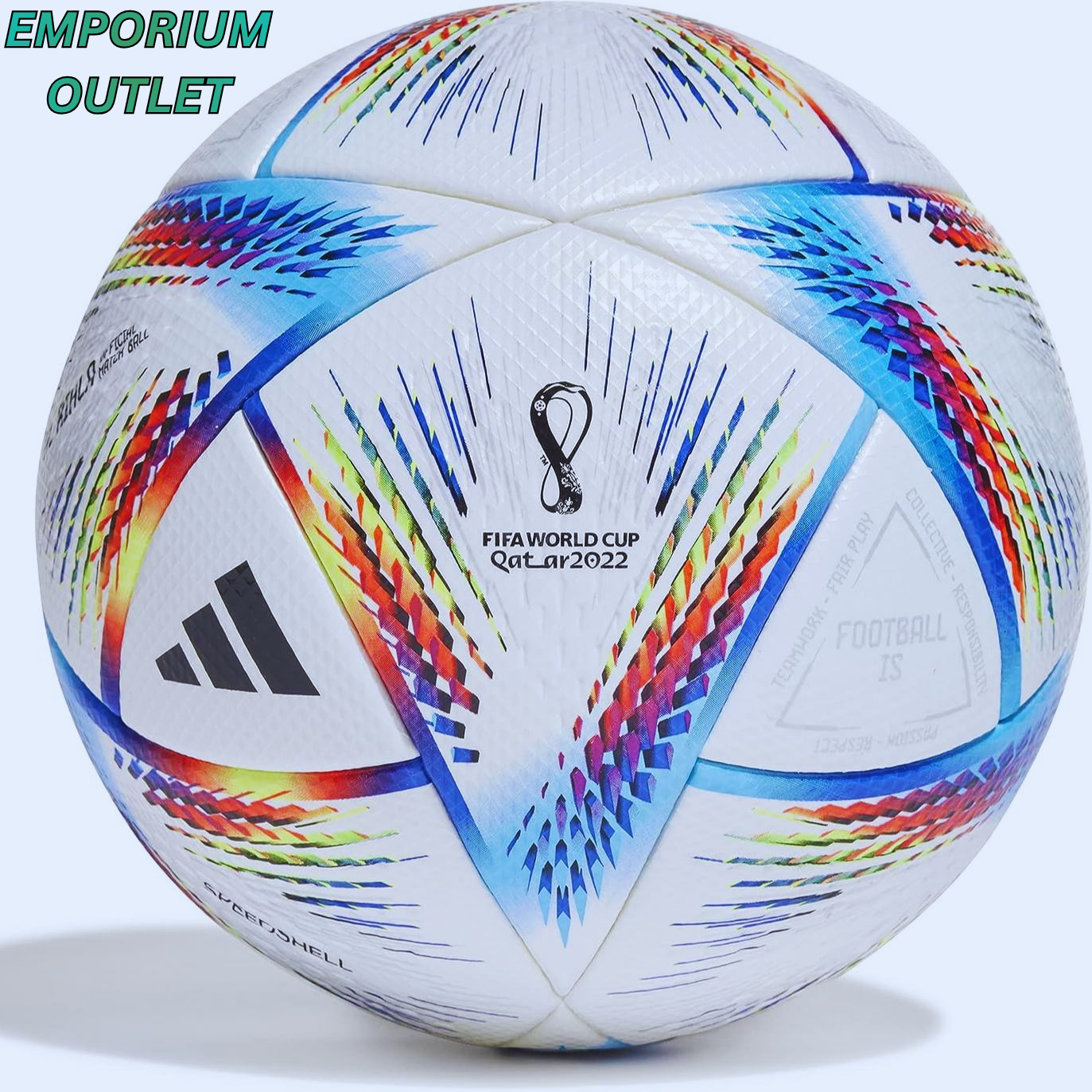
| 3 | Adidas Al Hilm FIFA World Cup Ball – Size 5 | Fans & serious players | World Cup-inspired construction |
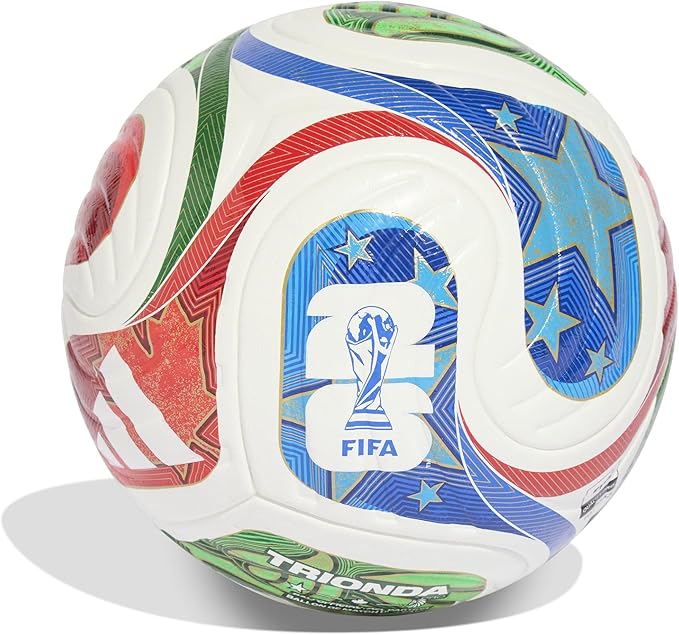
| 4 | Adidas Trionda World Cup 2026 Ball | Players & collectors | Modern World Cup design |
| 5 | FIFA Club World Cup Pro Ball | Competitive players | Professional match-style option |
When comparing a size 5 soccer ball, don’t look at appearance alone. Consider construction, intended use, durability, and how frequently you expect to play with it.
8. How to Take Care of Your Size 5 Soccer Ball
Even a well-made size 5 soccer ball needs proper care.
One of the simplest things you can do is keep the ball inflated according to the manufacturer’s recommended pressure.
Avoid leaving it outside for long periods, particularly in extreme heat or moisture.
After playing on wet or muddy surfaces, wipe the ball clean and allow it to dry naturally.
Simple Maintenance Tips
- Check air pressure regularly.
- Clean dirt from the surface.
- Avoid unnecessary contact with sharp objects.
- Store the ball in a dry location.
- Don’t leave it exposed to extreme temperatures.
- Use the correct pump needle when inflating.
Good maintenance can help your size 5 soccer ball stay usable for longer and maintain a more consistent feel.
9. Is a Size 5 Soccer Ball Good for Training?
Absolutely.
A size 5 soccer ball is an excellent training option for older youth and adult players.
Players can use it for passing drills, shooting exercises, dribbling practice, small-sided games, crossing, first-touch exercises, and set-piece practice.
Training with the same general ball size used in competitive soccer also helps players become comfortable with its weight and movement.
For coaches, using several matching balls can make training sessions more efficient, especially when multiple drills are happening at the same time.
10. Where to Buy a Size 5 Soccer Ball?
When shopping for a size 5 soccer ball, look for a retailer that clearly provides information about the ball’s size, model, intended use, and construction.
At Emporium Outlet, you can explore a selection of soccer balls, including size 5 options and famous tournament-inspired models.
You can browse the available collection through the Emporium Outlet soccer ball shop.
Before purchasing, always check the individual product details to make sure the ball matches your intended use.
Frequently Asked Questions
What is a size 5 soccer ball?
A size 5 soccer ball is the standard full-size soccer ball generally used for older youth and adult players.
What age is a size 5 soccer ball for?
A size 5 soccer ball is commonly used by players around age 12 and older, although specific league requirements can vary.
Is size 5 the official soccer ball size?
Size 5 is the standard full-size category used for adult soccer. Official competition balls must also meet the applicable specifications set by the competition and governing rules.
What is the difference between size 4 and size 5 soccer balls?
A size 4 ball is smaller and is commonly used for youth players, while a size 5 soccer ball is the full-size option used for older youth and adults.
Is a size 5 soccer ball good for beginners?
For adult beginners, yes. A size 5 soccer ball is appropriate if they are learning the game at the adult level. Younger beginners may benefit from a smaller ball depending on their age and league.
What is the best size 5 soccer ball for training?
The best option depends on your training needs. For frequent practice, prioritize durability, reliable air retention, and a comfortable touch.
How do I maintain a size 5 soccer ball?
Keep it properly inflated, clean it after use, store it somewhere dry, and avoid exposing it to extreme temperatures or sharp surfaces.
Final Thoughts
Choosing the right size 5 soccer ball doesn’t have to be complicated.
Start by thinking about how you actually plan to use the ball. If you’re training several times a week, durability should be high on your list. If you’re playing competitive matches, pay more attention to construction, touch, and flight consistency. And if you’re buying a famous tournament ball, design and collectability may also matter.
The most important thing is choosing a ball that fits your level of play and your budget.
For older youth players and adults, a reliable size 5 soccer ball can become an essential part of regular training and match preparation. With the right choice and proper care, your ball can provide a consistent playing experience while helping you work on the fundamentals that matter most.