

The FIFA World Cup is much more than a football tournament. Every four years, the world’s best national teams come together to compete for one of the biggest prizes in international sport. For millions of fans, it is a time to support their country, watch their favorite players and enjoy the excitement that only the World Cup can create.
The tournament also brings people from different countries and cultures together. Even when fans speak different languages, the excitement of a great goal or a dramatic match is something everyone can understand.
Spain won the FIFA World Cup 2026, beating Argentina 1–0 after extra time in an exciting final. Ferran Torres scored the winning goal in the 106th minute, giving Spain its second men’s FIFA World Cup title.
For Spain’s supporters, it was a moment to remember. The team showed confidence throughout the tournament, combining patient possession with accurate passing and organized defending.
The final was especially exciting because Argentina and Spain both have long and proud football histories. With two strong teams competing for the trophy, fans around the world had plenty of reasons to watch until the final whistle.
The 2026 FIFA World Cup was the 23rd edition of the men’s tournament and introduced a major change: for the first time, 48 teams took part.
The tournament included 104 matches played across 16 host cities in Canada, Mexico and the United States. It began on 11 June 2026 and ended with the final on 19 July 2026.
With more teams and more matches than previous World Cups, fans had even more football to enjoy. It also gave several nations the opportunity to experience the biggest stage in international football.
One of the most interesting things about the FIFA World Cup 2026 was the way it was hosted. Canada, Mexico and the United States joined together to stage the tournament, making it the first men’s World Cup hosted by three countries.
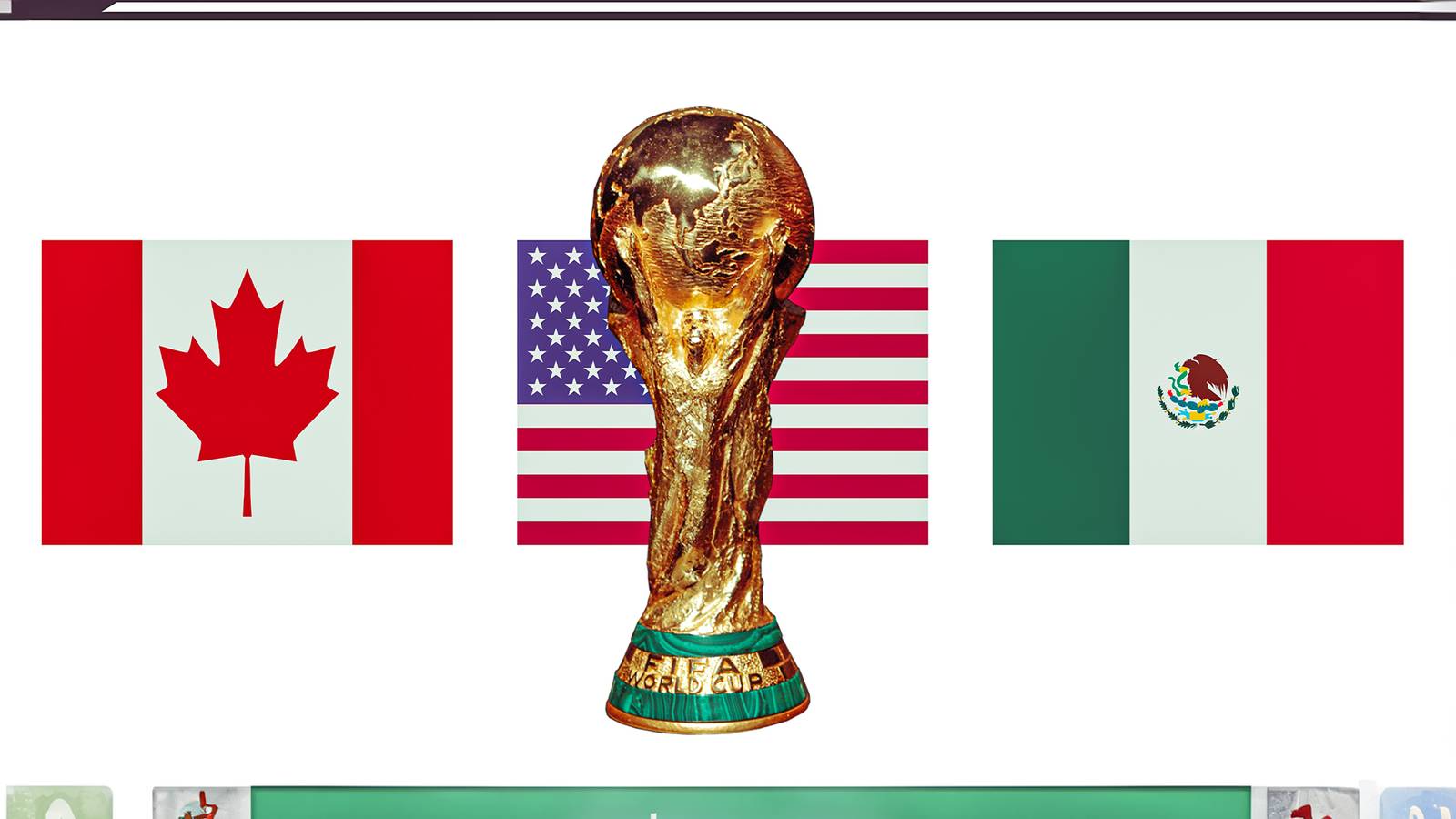
Each host country brought something different to the event. Canada continued to build its growing soccer culture, Mexico added its famous football passion and history, and the United States brought its huge sports audience and major stadiums.
For visiting supporters, the tournament was also a chance to experience different cities, cultures and traditions while following their national teams.
There were plenty of reasons why the 2026 World Cup will be remembered as a special tournament.
The biggest change was the move from 32 teams to 48 teams. That meant more countries had a chance to qualify and compete against the world’s strongest football nations.
The three-country hosting arrangement was another historic moment. Instead of being centered in one country, the tournament spread across Canada, Mexico and the United States.
For soccer fans, this meant more matches, more stories and more chances to see teams they may not normally watch.
It was also an important moment for the growth of soccer in North America. Young players watching the world’s best footballers compete on home soil could find new motivation to pick up a ball and start playing themselves.
Moving to 48 teams changed the traditional World Cup format. The tournament featured 12 groups of four teams.
The top two teams from each group, along with the eight best third-placed teams, moved into the knockout stage. In total, the expanded format produced 104 matches.
For fans, that meant more football and more opportunities for unexpected results. A team that nobody expected to go far could suddenly become one of the stories of the tournament.
That’s part of what makes the World Cup so enjoyable: you never really know what is going to happen next.
Getting to a World Cup final is never easy. Teams have to handle pressure, injuries, tactical changes and the challenge of playing against some of the best players in the world.
As the knockout rounds progressed, the pressure became even greater. One mistake could send a team home, while one brilliant goal could change everything.
Spain and Argentina eventually made it all the way to the final. Both countries had strong football traditions and huge numbers of supporters behind them, making the final one of the most anticipated matches of the tournament.

Spain finished the tournament as champions after a 1–0 extra-time victory over Argentina.
The decisive moment came in the 106th minute when Ferran Torres found the winning goal. That goal secured Spain’s second men’s World Cup title and gave Spanish fans a moment they will remember for years.
Spain’s success wasn’t based on one player alone. The team played with confidence, kept possession well and moved the ball intelligently. Just as importantly, Spain defended with discipline when it mattered most.
The team conceded only one goal across its eight matches, showing just how difficult it was for opponents to break them down.
For many fans, Spain’s combination of attacking quality and defensive organization was one of the defining features of the Soccer World Cup 2026.
The tournament also gave fans plenty of individual performances to talk about.
Rodri won the adidas Golden Ball after an outstanding tournament in midfield. He was important to Spain’s style of play, helping the team control possession and move smoothly between defense and attack.
Kylian Mbappé won the adidas Golden Boot after scoring 10 goals for France. His goalscoring ability once again made him one of the biggest attacking stars in international football.
Lionel Messi received the Silver Ball, while Spain goalkeeper Unai Simón won the adidas Golden Glove after recording seven clean sheets in eight matches.
Another name that stood out was Pau Cubarsí, who was named the FIFA Young Player of the Tournament. His recognition showed that the World Cup was not only about established stars but also about the next generation of football talent.
BUY NOW
The World Cup wasn’t just about what happened on the pitch. For many supporters, the atmosphere around the tournament was just as memorable.
Matches were played in major stadiums across Canada, Mexico and the United States. The final was held at New York New Jersey Stadium, where Spain and Argentina met to decide the champion.
Across the host cities, fans gathered in public areas, wore their national colors and celebrated with supporters from other countries. Streets and fan zones became places where football fans could share the excitement of the tournament.
For someone attending their first World Cup, that atmosphere could be just as unforgettable as the match itself.
For soccer fans, there was something to follow throughout the entire tournament. From surprising group-stage results to dramatic knockout matches, the 2026 World Cup produced plenty of talking points.
Fans followed team results, player statistics, match highlights and the latest tournament stories. Children and young players also got the chance to watch some of the world’s best footballers compete at the highest level.
And for many young fans, watching the World Cup can be the moment that turns an interest in soccer into a real passion for playing the game.
Watching the World Cup is exciting, but nothing beats getting outside and playing the game yourself.
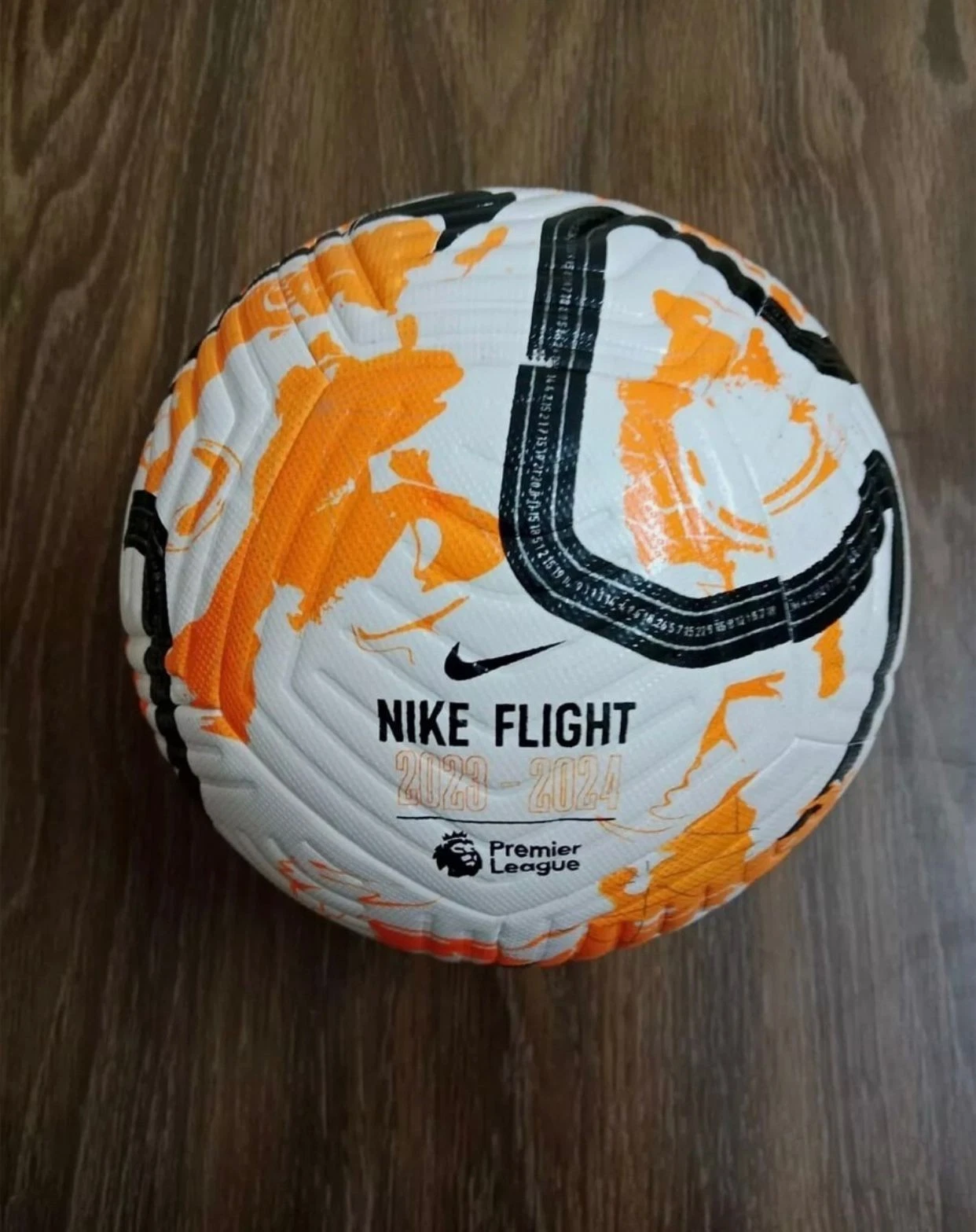
If you’re looking for a soccer ball, think about how and where you plan to use it. A ball for casual games with friends may have different requirements from one designed for regular training or competitive play.
Things such as ball size, durability, construction and playing surface are worth considering before you buy.
Whether you’re practicing your shooting, working on your passing or simply playing a weekend game with friends, having a reliable soccer ball can make the experience much better.
If you’re ready to get on the field, explore our soccer ball collection and find a ball that fits your game.
The 2026 World Cup once again showed why football is often called the world’s game.
Fans came from different countries, spoke different languages and supported different teams, but they all shared the same excitement when a goal was scored or a match went down to the final minutes.
Canada, Mexico and the United States gave supporters a chance to experience the World Cup across North America, while the tournament itself connected millions of people around the world.
Spain’s victory over Argentina gave the competition a dramatic ending, while the performances of Rodri, Mbappé, Unai Simón and other players gave fans plenty to remember.
The Soccer World Cup 2026 was a tournament full of new experiences, big performances and unforgettable moments.
With 48 teams, 104 matches and three host countries, it was one of the biggest editions of the FIFA World Cup. Spain’s 1–0 extra-time win over Argentina provided a dramatic finish and secured Spain’s second men’s World Cup title.
But the excitement of soccer doesn’t stop when the World Cup ends. Fans continue to watch matches, support their favorite teams and, most importantly, play the game themselves.
Whether you’re a serious player or someone who simply enjoys kicking a ball around with friends, the spirit of the World Cup is a reminder of why soccer is loved by so many people around the world.